
SAP Business One, a robust business management solution tailored for small and medium-sized enterprises, offers a wide array of features to streamline operations and boost productivity. From financial management to real-time analytics, the platform is designed to enhance decision-making and drive growth. With its emphasis on customization, integrations, and support services sap business one, SAP Business One stands out as a comprehensive tool for businesses seeking operational efficiency and improved performance. The question remains: How does this software truly revolutionize the way organizations operate and make informed decisions in today’s competitive landscape?
Key Features of SAP Business One
In assessing the efficiency and functionality of SAP Business One, it is imperative to delve into its key features that underpin its robust capabilities for businesses.
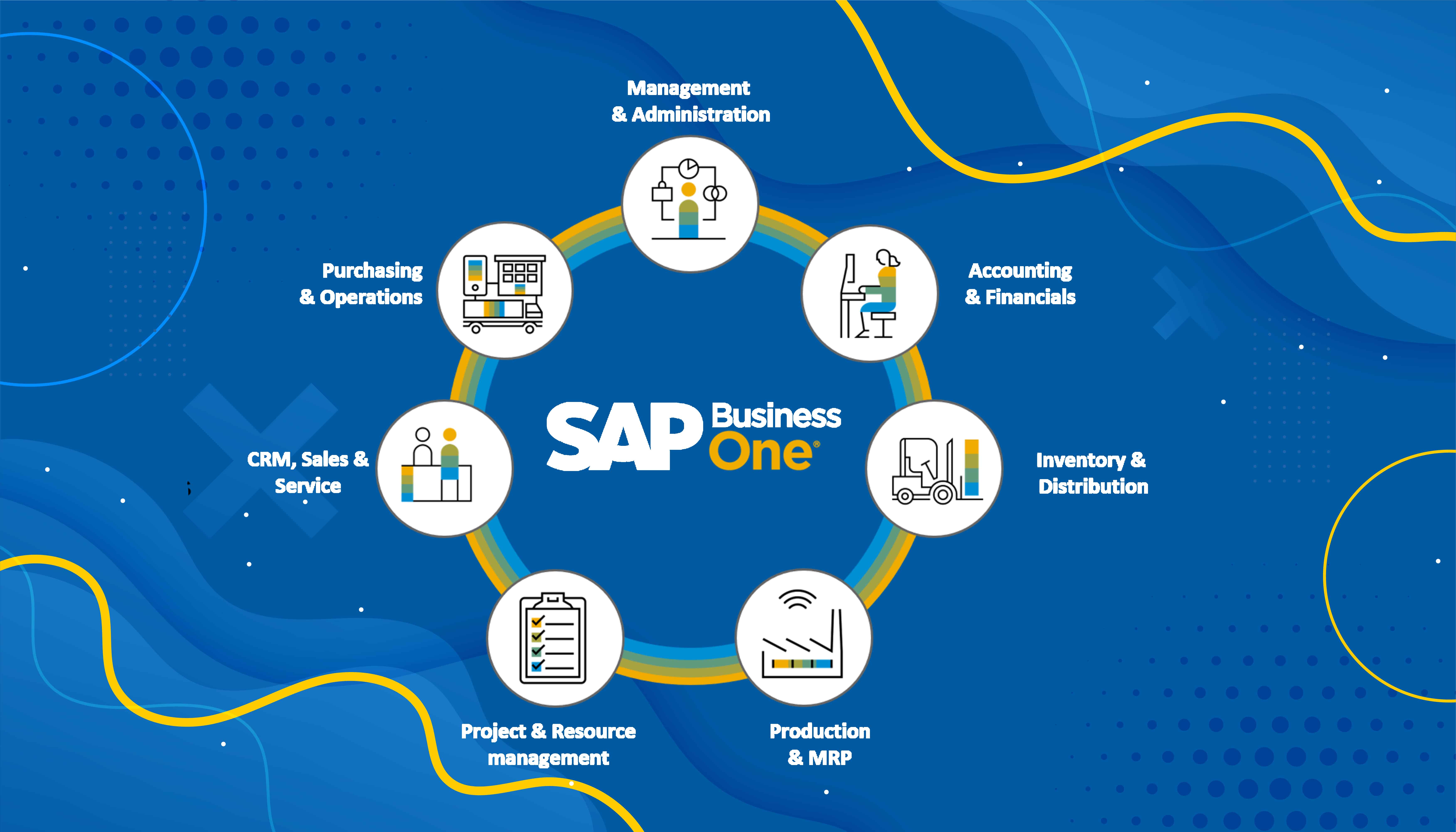
One of the primary features of SAP Business One is its comprehensive management of financials, enabling businesses to streamline accounting processes, manage cash flow, and track financial performance effectively.
Another key feature is its integrated customer relationship management (CRM) system, which allows businesses to manage customer interactions, sales opportunities, and customer data in one centralized platform.
Additionally, SAP Business One offers robust inventory management capabilities, empowering businesses to optimize stock levels, track items accurately, and streamline procurement processes.
Moreover, the software provides real-time analytics and reporting tools, enabling businesses to make informed decisions based on accurate data insights.
Benefits for Small Businesses
Small businesses can leverage SAP Business One to gain a competitive edge through streamlined operations and enhanced decision-making capabilities. By implementing SAP Business One, small businesses can benefit from integrated business processes that help in automating key functions such as financial management, sales, customer relationship management, inventory, and more. This integration leads to improved efficiency, reduced operational costs, and increased productivity.
Additionally, SAP Business One provides real-time insights through advanced analytics and reporting tools, enabling small businesses to make data-driven decisions promptly.
Moreover, SAP Business One offers scalability, allowing small businesses to adapt and grow without the need for extensive system overhauls. This scalability ensures that the software can support the evolving needs of the business as it expands. Furthermore, the centralized data storage and streamlined workflows enhance collaboration and communication within the organization, fostering a more cohesive and efficient work environment.
In essence, SAP Business One empowers small businesses to compete effectively in the market by providing the tools needed to optimize operations and drive business success.
Implementation Process Overview
The implementation process overview of SAP Business One involves essential planning phases and key milestone checkpoints. Understanding these points is crucial for ensuring a successful integration of the software within small businesses.
Planning Phase Essentials
During the initial stages of implementing SAP Business One, understanding the Planning Phase Essentials is crucial for a streamlined and successful execution of the project. This phase involves defining the project scope, objectives, and timelines.
Key tasks include identifying stakeholders, establishing communication channels, and setting up a project team. It is essential to conduct a thorough analysis of the current business processes to align them with the capabilities of SAP Business One.
Additionally, creating a detailed project plan that outlines milestones, dependencies, and resources is vital for monitoring progress and ensuring timely delivery. Clear documentation of requirements and expectations from the system is fundamental in this phase to avoid misunderstandings and deviations from the project goals.
Key Milestone Checkpoints
Key Milestone Checkpoints play a critical role in the Implementation Process Overview of SAP Business One, ensuring that project progress aligns with established timelines and objectives. These checkpoints act as markers throughout the implementation journey, allowing for the tracking of key accomplishments and the identification of any potential delays or obstacles.
By setting specific milestones, project managers can effectively monitor the project’s advancement, make necessary adjustments, and keep stakeholders informed. This structured approach enhances transparency, accountability, and overall project efficiency.
Key Milestone Checkpoints serve as pivotal moments in the implementation process, guiding the team towards successful completion while maintaining a focus on meeting the project’s goals and deadlines.

Customization Options Available
With a variety of customization options at your disposal, Sap Business One offers flexibility to tailor the software to meet your specific business needs. These customization options include the ability to modify fields, add user-defined fields, create custom reports, and personalize workflows. By being able to adapt the software to your unique requirements, you can streamline processes, enhance productivity, and improve decision-making within your organization.
One of the key features of Sap Business One is the user-friendly interface that allows for easy customization without the need for extensive technical knowledge. This empowers businesses to make changes quickly and efficiently, ensuring that the software evolves along with the changing needs of the business.
Furthermore, Sap Business One provides a range of configuration options that enable you to set up the system according to your industry standards and best practices. Whether you are in manufacturing, distribution, retail, or any other sector, Sap Business One can be tailored to align with your specific business processes.
Integrations With Other Systems
Integrating Sap Business One with other systems allows for seamless data exchange, facilitating a more efficient flow of information and enhancing overall connectivity.
By incorporating these integrations, businesses can streamline their workflow processes, leading to increased productivity and improved decision-making capabilities.
The ability to connect various systems within an organization can significantly optimize operations and drive better business outcomes.
Seamless Data Exchange
Efficient data exchange plays a crucial role in enhancing the connectivity and productivity of systems integrated with SAP Business One. Seamless data exchange ensures that information flows smoothly between different platforms, enabling real-time updates and accurate reporting.
By integrating with various systems such as CRM, e-commerce, or third-party applications, SAP Business One streamlines processes and eliminates manual data entry errors. The system’s ability to seamlessly exchange data also enhances decision-making by providing up-to-date insights across the organization.
With automated data exchange, businesses can save time and resources while improving overall operational efficiency. This connectivity facilitates a more agile and responsive business environment, enabling companies to adapt quickly to changing market conditions.
Enhanced Efficiency Through Connectivity
Enhancing operational efficiency and connectivity within organizations, the integration of SAP Business One with various systems streamlines processes and fosters seamless data exchange.
By connecting SAP Business One with other software applications like CRM, e-commerce platforms, or third-party logistics systems, businesses can eliminate manual data entry, reduce errors, and improve overall productivity. This integration enables real-time information sharing across departments, enhances decision-making capabilities, and provides a holistic view of the organization’s operations.
Moreover, the connectivity between systems allows for automated workflows, improved data accuracy, and better collaboration among teams. Ultimately, by integrating SAP Business One with other systems, companies can achieve enhanced efficiency, increased agility, and better adaptability to changing market demands.
Streamlined Workflow Processes
A seamless integration of SAP Business One with various systems enables organizations to optimize workflow processes and enhance operational efficiency through streamlined data exchange and automated workflows. By integrating SAP Business One with other systems such as CRM platforms, e-commerce solutions, or third-party logistics software, businesses can eliminate manual data entry, reduce errors, and speed up processes.
This integration allows for real-time data sharing and updates across different departments, leading to improved decision-making and overall productivity. Moreover, automated workflows ensure that tasks are completed promptly and accurately, reducing delays and enhancing collaboration among team members.
Ultimately, streamlined workflow processes facilitated by SAP Business One integrations contribute to a more agile and responsive organizational environment.
Training and Support Resources
Providing comprehensive training and support resources is essential for the successful implementation and utilization of SAP Business One. Training programs for SAP Business One cover various modules such as financials, sales, customer relationship management, and inventory management. These programs are designed to equip users with the necessary skills to navigate the system efficiently.
Additionally, online resources such as user manuals, video tutorials, and forums provide continuous support for users encountering issues or seeking further guidance.
Moreover, SAP offers consultancy services for businesses looking to tailor the software to their specific needs. These services can assist in customizing workflows, reports, and dashboards to optimize the system’s performance.
Furthermore, users can access SAP’s customer support portal for troubleshooting technical issues and submitting queries to a dedicated support team.
Pricing Plans and Packages
Effective cost structuring is imperative when considering the various pricing plans and packages available for SAP Business One. The pricing of SAP Business One depends on factors such as the number of users, the level of functionality required, and whether the software will be deployed on-premise or in the cloud. SAP offers flexible pricing options to accommodate the diverse needs of businesses, with packages tailored for small to medium-sized enterprises as well as subsidiaries of larger corporations.
One common pricing model for SAP Business One is based on a per-user license fee, where the cost varies depending on the specific modules and features needed for each user. Additionally, there are subscription-based pricing models for cloud deployment, which can provide a more predictable cost structure for businesses.
It is essential for businesses to carefully assess their requirements and budget constraints to choose the most cost-effective pricing plan that aligns with their operational needs and growth objectives. By selecting the right pricing plan and package, businesses can optimize their investment in SAP Business One and drive long-term success.
Success Stories and Case Studies
To showcase the practical application and real-world impact of SAP Business One, examining success stories and case studies provides valuable insights into the software’s capabilities in diverse business environments. These stories highlight how businesses across various industries have leveraged SAP Business One to streamline operations, enhance decision-making processes, and drive growth.
For instance, a manufacturing company increased its efficiency by integrating SAP Business One, resulting in reduced production costs and improved inventory management. In another case, a retail business saw significant sales growth after implementing the software to optimize their supply chain and improve customer satisfaction.
Furthermore, these success stories serve as testimonials to the effectiveness of SAP Business One in improving overall business performance and profitability. By delving into these real-world examples, companies considering implementing SAP Business One can gain a better understanding of how the software can address their specific needs and deliver tangible results.
Conclusion
In conclusion, SAP Business One offers small and medium-sized enterprises a comprehensive business management solution that enhances efficiency, decision-making capabilities, and collaboration within organizations.
With its integrated financial management, CRM, inventory management, and real-time analytics features, businesses can optimize their operations and drive growth.
The training resources, support services, customization options, and flexible pricing plans make SAP Business One a valuable tool for businesses looking to streamline their workflows and improve their financial performance.